Cognitive Development
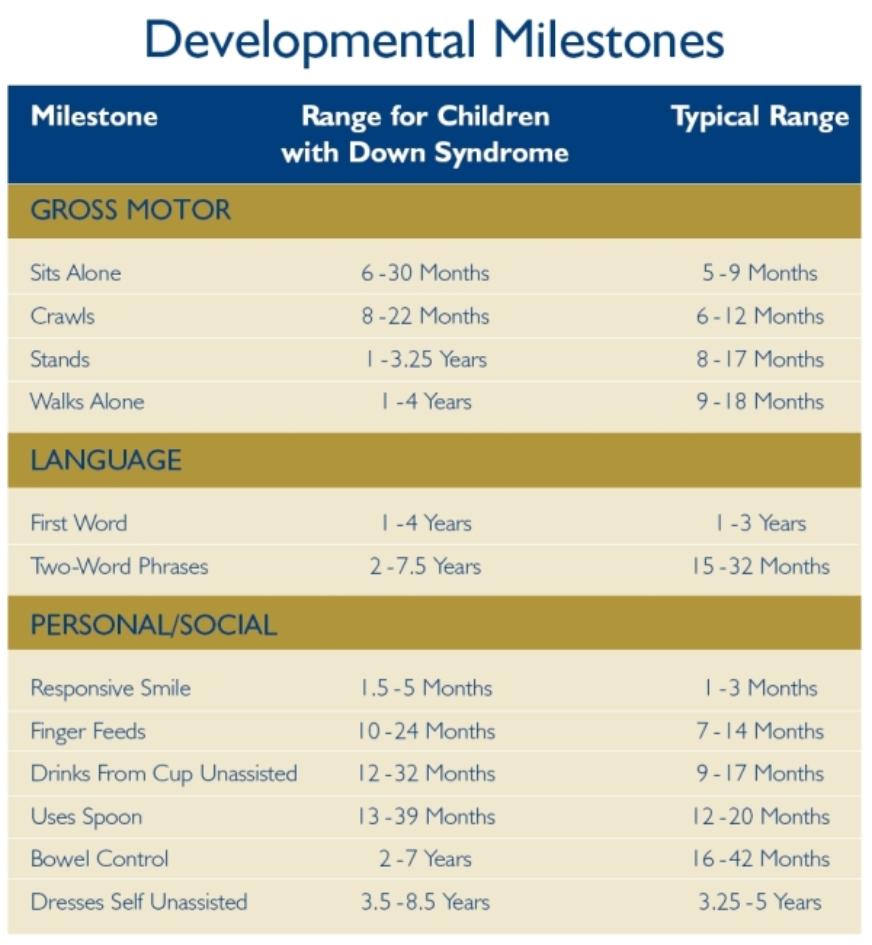
Down Syndrome is the most common form of mental retardation present at birth (Hallahan & Kauffman, 2003, p. 117). Most individuals fall under the moderate range of Intellectual Disability, with an IQ of 35-50, while many are in the mild range with an IQ of 50-70. Speech and language development is slower than in non-disabled peers, although children with Down Syndrome usually become effective communicators with appropriate education and speech therapy. The cerebellum and hippocampus, which are important for memory, attention and language, are impaired by this condition (Heyn, 2012). This results in difficulties with verbal memory and phonological fluency. Many researchers are now focusing on the role the hippocampus plays in this condition by examining and comparing brain structures of those with Down Syndrome and their non-disabled peers (Research, 2012). Scientists at the Stanford School of Medicine are using mouse models to investigate the synaptic structures of the hippocampus cells; these mice have an extra chromosome that is very similar to the human chromosome 21, which is discussed in the Physical Characteristics section of this website. With increased medical technology and a higher level of interest in scientific research on the condition, the next 10 or 20 years will reveal a better understanding of Down Syndrome's specific effects on brain structure and development. And because of improved Special Education programs, individuals with Down Syndrome are better able to become self-sufficient within a structured school or home environment. Most will need assistance with planning and managing schedules and require specialized job training after high school.